|
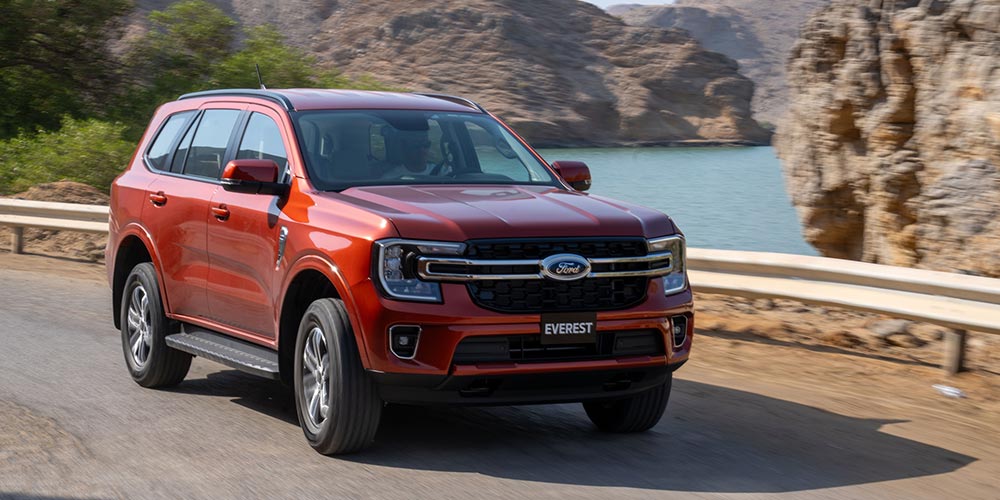
Doha-Qatar, April 27, 2026 - Even in the best of times, we're wise to watch the ways we use fuel. But now, perhaps even more so, fuel efficiency is a particularly hot topic. For owners of the rugged Ford Ranger and versatile Ford Everest across the Middle East and North Africa, optimizing fuel consumption means more adventures, greater savings, and enhanced capability, whether navigating city streets or conquering desert dunes. Here are some practical things to consider, based on Ford's engineering insights and expert experience, to get more out of every Liter. How does the way I drive affect fuel consumption? Aggressive acceleration and heavy braking will burn through fuel fast. Instead, keep your eyes up, read the traffic early and aim for smooth, gentle inputs. Accelerate steadily. Brake gently. And don't fall for the old myth about shifting into neutral on downhills to save fuel. It doesn't work, and it's dangerous. When you select D, your transmission will select the most efficient gear for your speed. When you lift off the accelerator, the engine control shuts off the fuel supply where conditions allow, saving fuel whenever possible. If your Ford Ranger or Everest has it, consider using Eco mode. It optimizes acceleration and transmission response for fuel economy and reduces the load on your engine by slowing climate control fans and softening cruise control acceleration. Same goes for stop/start. If your vehicle has it, make sure you leave it enabled; it's been calibrated to balance cabin comfort with fuel conservation. It works, so let it do its job. When you're on the highway, engage cruise control and let your vehicle manage the accelerator, brakes and transmission because it will deliver smoother, more efficient driving than your right foot can. It's one of the most effective fuel-saving tools your vehicle already has. If you're driving in hilly terrain, disengage cruise control to prevent it from working harder to maintain the set speed. If you're comfortable going a little slower up hill, then back off the throttle and then regain that speed when you head down the hill. Does air-conditioning use more fuel? It does. Running the air-con places additional load on the engine. But comfort matters especially when it's 50 degrees Celsius or more outside. The Ford Ranger and Everest feature1 a climate control system with a variable-stroke compressor, which automatically adjusts output to match demand. That means less compressor cycling, less engine load and better fuel consumption than a fixed system. Use Auto mode as often as you can because it enables the system's fuel-saving strategies and keeps the cabin comfortable with the least amount of energy. If your vehicle has manual climate control, use the recirculation feature on hot days. Drawing air from inside the cabin and recirculating it is far more efficient than constantly cooling hot air from outside. Park in the shade when you can. A cooler cabin means less work for the air-con when you start up. No shade? A good quality sunshade can help keep the interior cooler, reducing the amount of work the air-con needs to do to cool the cabin, and every little bit helps. Can tire pressure really affect how much fuel I use? Under-inflated or worn tires increase rolling resistance which means your engine has to work harder to maintain speed. That costs fuel and it'll wear your tires out faster, too. Check your tire pressures regularly against the manufacturer's recommendation (you'll usually find this on a placard on the door jamb). Given the varied terrain from smooth highways to sandy tracks, and extreme temperature fluctuations in the Middle East and North Africa, regularly checking your Ford Ranger or Everest's tire pressure is paramount for both safety and fuel economy. And if you're replacing tires, choose carefully. The tires fitted to your vehicle have been specifically selected and tuned to balance fuel economy and performance. Non-standard aftermarket tires can significantly degrade your fuel economy. So, don't necessarily fit chunky mud terrain tires to your 4x4 when you spend 90 percent of your time driving on tarmac. For those who primarily use their Ranger or Everest for daily commuting and occasional light off-roading, investing in tires optimized for road use will yield better fuel efficiency than aggressive off-road specific tires. Does extra weight on my vehicle increase fuel consumption? This one's both obvious and tough for 4WD owners. A bull bar, driving lights, UHF antenna, roof racks, an extra spare, the weight adds up fast. Every kilogram makes the engine work harder when accelerating or climbing hills. For many Ranger and Everest owners across the region, equipping vehicles for desert adventures or family trips is common but remember that every added item contributes to fuel consumption. The best thing you can do is remove what you're not actively using, meaning if you're not heading off-road anytime soon then you probably don't need that recovery kit, traction boards or spade in your vehicle. So, empty those rear drawers, and take the 12-volt fridge out of the trunk if it's not needed, and if you're not towing, it's a good idea to remove the tow hitch and don't just store it in the vehicle as that defeats the purpose, right. Everything you bolt on or carry inside your vehicle is adding weight and adding to your fuel bill. How do aftermarket accessories affect my vehicle's aerodynamics? Most will create additional drag and that means more fuel, especially at highway speeds. The same goes for bulky gear in the bed or on the roof2. If you're not heading for the desert this weekend, there's no need to drive around looking like you are. Yes, taking down a rooftop tent is a hassle, but if it's sitting up there for the school run, it's costing you fuel through extra weight and drag. And the same goes for the roof rack. Even an empty roof rack creates significant drag at highway speeds, so consider removing it until your next adventure. How does regular servicing affect fuel economy? Wheels out of alignment, a clogged air filter, old engine oil; these are the kinds of things that quietly force your vehicle to work harder and burn more fuel. Ensuring your vehicle is regularly serviced will pick up on all of them. Maintaining your Ford Ranger or Everest according to Ford's recommended service schedule is crucial, especially given the challenging driving conditions, dust, and heat prevalent in the Middle East and North Africa. Regular maintenance ensures your Ford performs optimally and efficiently. Every liter counts None of these tips require a mechanical engineering degree or an expensive modification. Most are habits; things you can start doing on your next drive. And they add up. Keep your tires right, drive smoothly, use the modes and tech your vehicle already has, and you'll get more out of every tank. Your fuel bill doesn't have to be what it is. A few smart changes and you're back in control. Embrace these simple changes to maximize the efficiency and enjoyment of your Ford Ranger or Everest across the diverse landscapes of the Middle East and North Africa.
| 

 RSS Feed